choice model, continued
CHOICE Humanitarian focuses on two levels of self-development as the basis for sustainable transformation out of poverty, the Village Level and the District Level.
At the ‘Village’ Level, CHOICE facilitates a community dialog that creates a unified vision for a quality of life that offers opportunities in education, healthcare, economic development, healthy living conditions, while upholding sustainable human habitat. Villagers taking ownership for their own vision, organizing themselves around a plan and finding partners and resources to carry out this vision puts them in control of their own future. The key here isn’t independence but interdependence as they learn to become effective global citizens. Having successful experiences of implementing sustainable change in their village gives them the sense for what is possible when they unite as a village. They learn the importance of working in an effective partnership with local government, NGOs and private organizations.
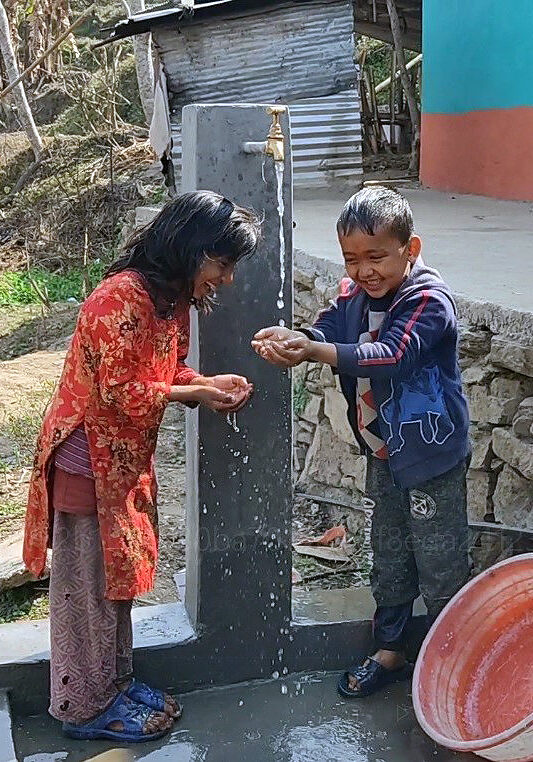
The process starts with the local CHOICE team – all from the country in which they work. The team facilitates a dialog where villagers determine a project of the most importance to them. It might be building a school, a well, a clinic. Next CHOICE provides the leadership and team training that enables people to successfully come together to produce what they have identified as most needed. Once success is obtained in one area, that experience is transferable to other concerns.
CHOICE helps a village create a community operational platform that clearly defines roles and responsibilities within the community in a way that resources coming into their vision can be properly transformed into sustainable chance. The key is that the community itself is directly responsible for the social, financial and environmental sustainability of the initiative, not the outside partner.
At the ‘District’ Level, CHOICE focuses on ‘clusters’ of self-developing villages. This approach allows us to lever opportunities for many villages at a time rather than one at a time. It organizes an entire district around a unified vision for the area and can literally impact populations of hundreds of thousands. Acting with a single voice, these unified villages can strongly encourage local government to respond to their needs with support to the major infrastructure shortfalls such as roadways, electricity, advanced education and hospitals.
Scaled-up ‘District’ program has many advantages:
CHOICE Humanitarian 2011 Goals include:
Rather than participating in short-term service delivery, we focus on building long-term, sustainable solutions to issues related to extreme poverty.
Whom do we serve? CHOICE promotes personal, community, and district level opportunities for living meaningful and productive lives:
*CHOICE Humanitarian prefers to use the term “investors” because we believe we are literally investing in the future and a better world.
Operational Strategies: Over the past nearly 30 years of field testing under the leadership of Dr. James Mayfield, CHOICE has developed highly effective programs and strategies that incorporate the following eight keys to village self-development:
Lasting change comes not from outside or when implemented by others, but when it comes from within – within a person, within a community, within a culture. For this reason, CHOICE focuses its development process on the people involved, through the implementation of the project. The village community is the nucleus of all ideas and activity.
Participation with CHOICE engages villagers in a learn-by-doing process that leads to the internalization of development know-how. The most brilliant of ideas is doomed to failure unless a community chooses to work for its collective good and individuals choose to take full responsibility in executing that idea. Additionally, local knowledge, local materials, local technologies, and local capacities play a vital role in assuring that any improvements generated will continue to serve a population indefinitely, without dependence on outside assistance.
As CHOICE leadership and resources taper-off, local leadership and resource mobilization swells. It becomes a seamless ‘exit strategy’ for CHOICE as local talent fully steps in to their role as leaders into their own future.
Sustainable development must embrace local culture, existing political structures, social structures, and tradition. Allowing the villagers to lead the visioning, consensus building, and execution of projects and programs ensures that the entire process will be responsive to their customs, norms, languages, and assumptions. This learning-by-doing approach builds leadership skills and at the same time protects against the cultural pitfalls that turn great intentions and great projects into failures.
CHOICE mentors community members in identifying their own unique strengths, cultural characteristics and belief systems which leads to relevant objectives and goals in their development plan.
Poverty often has its roots in a long history of disempowerment, leading the impoverished to believe that they must depend on the wealthy in order to improve their lives. When villagers take ownership of their own development, they come to realize that the power to decide what they need and how they would like to create change lies within them. With power comes responsibility for leaders to truly represent the voice of their community, build consensus, assign actions, and follow up. This process develops their leadership skills and builds the confidence they need to lead their communities out of poverty.
When projects and programs are owned and maintained by the community, rather than by the sponsoring agency, they have a much greater chance of being sustainable.
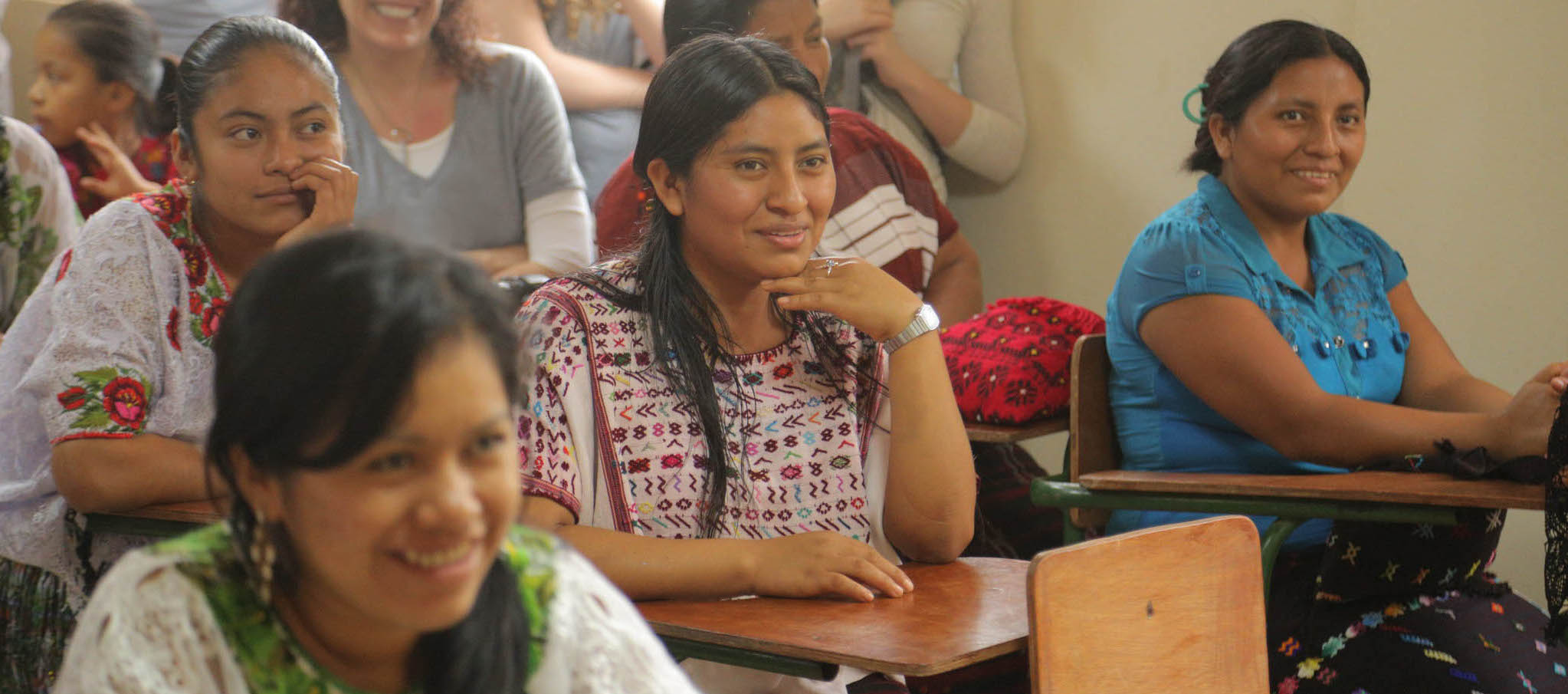
Women in impoverished communities bear almost the entire responsibility of providing the basic needs for their families, yet are largely left without the resources, freedom, and decision-making power required to fulfill these needs. CHOICE is committed to programs that empower women to take an active and equal role in community-level decision-making and leadership, and to organize themselves around projects and programs that strengthen their ability to meet family needs.
CHOICE hires and trains locals to be the development team. Local staffers know the linguistic and cultural heritage, the traditions and religions of the communities in which they work. This fundamental aspect of the CHOICE program makes it possible for CHOICE staff to gain and solidify the trust necessary to effectively and efficiently interact with the communities in which we work.
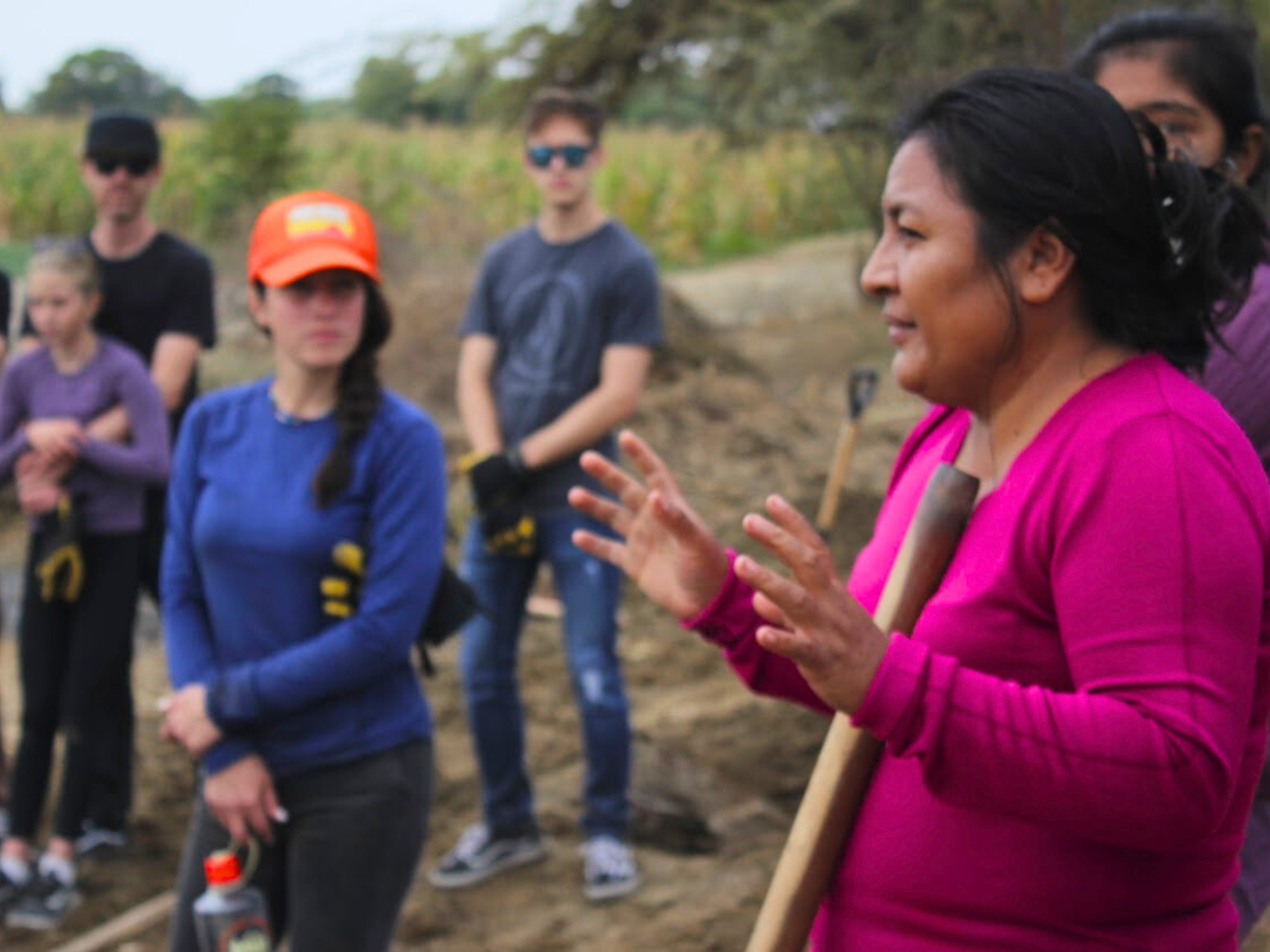
CHOICE cultivates collaborative teams of village leaders, development experts, generous donors, and non-government organizations to work closely with national and local government officials. This group acts as the village support team. In most cases for the first time, village leaders are the principle voice on the team in the process of problem-solving for their community.
CHOICE teams begin with an In-Country Director (ICD), who oversees all operations and the hiring and training of Rural Development Facilitators (RDF) to work with the villages, guiding each community through the steps of the CHOICE model. This team of in-country staff, all local to the area, work side-by-side with the native population to prepare them to take charge of the development process.
CHOICE ICDs and RDFs identify natural leaders within each community, individuals who are well respected and who demonstrate both an affinity for development and an interest in the work. These individuals are integral to the CHOICE team, as experts-in-training. These leaders may be existing political representatives of the community or at minimum people who can work hand in hand with this existing government structures. With village approval, the new leaders become a voice for their community. Trained in community mobilization and sustainable development, they transition into the roles previously filled by CHOICE staff when the time comes (usually 3-5 years) for their community to be launched into Village Self-Development.
The CHOICE Model of the Self-Developing Village is a five-step, cyclical process that rural communities learn to use as an impetus for change and a method for achieving on-going, community-wide progress. Beginning with stages of self-assessment and organization, the model walks villagers through action planning and project execution to structured evaluation and the celebration of a job well done. Ultimately, the model leads villages within a given area to collaborate as a district, linking their efforts in common governance and economic development, more quickly and effectively reducing poverty and increasing quality of life.
CHOICE tracks the progress of partner communities using specialized methods developed over time in many countries. Analyzing how village standards of living improve over time helps determine which communities are gaining the most ground, and why. Being able to evaluate progress means that both CHOICE staff and community members can learn from their experiences, confirming that the model is working. Need for such analysis led the CHOICE team to design and implement two field measurement tools: The Twenty Points of Progress and The Phases of Village Development. These tools provide developmental snapshots of community advancement and growth.
This evaluation tool is designed for a village to evaluate itself on the twenty most relevant indicators and be capable of tracking their own progress over time. This instrument was first developed by Dr. James Mayfield in the early 1990’s, with the support of UNICEF. It has been field-tested across different cultures in countries as diverse as Bolivia, Guatemala, Mexico, Egypt, Kenya, Nigeria, Ghana, Thailand, Vietnam, Cambodia, and the Philippines. In 1996 CHOICE endorsed the tool’s validity and established The Twenty Points of Progress Program.
A series of twenty questions evaluates living conditions in the following five areas:
CHOICE staff members train village leaders to use the tool to quantify their current status. This method simplifies evaluation, making the process swift and enabling frequent use. As a village develops, improving scores make progress noticeable and assists in prioritizing needs. The tool’s simplicity also facilitates both regional and international comparisons. Having employed the tool in villages worldwide gives CHOICE the ability to analyze data sets across different countries and cultures.
Learning to use this measurement tool enables the rural communities who partner with CHOICE to witness their own transformation. Being able to measure community accomplishments inspires further progress.
CHOICE in-country teams use The Phases of Village Development tool to study the evolution of village leadership, infrastructure and access to basic services. By depicting progress in detailed stages, this instrument illustrates leadership growth as a community advances through all five phases and provides a step-by-step picture of village self-development.
PHASE ONE: A community is essentially disjointed. Any improvements made are usually for a single family rather than for the entire community. Partnering with CHOICE and demonstrating an understanding of village organization transitions a community to the next level.
PHASE TWO: Families come together and collaborate on specific community-based projects. CHOICE mentors and assists a community, helping residents to identify their priorities, abilities, and joint potential.
Villagers learn by uniting and acting together for community accomplishments. Phase Two is characterized by projects done on an as-needed basis, without an overarching vision for the village as a whole.
PHASE THREE: Communities strive to implement a system for village-driven progress. CHOICE staff members slowly withdraw from leadership roles while offering support and guidance to the villagers who take charge. Over the course of 3 to 5 years, staff members work with the community on several projects, cycling through the model each time. This phase ends when villagers demonstrate the ability to organize and act as a cohesive entity, prioritizing their goals and sustainably executing projects for the community’s collective betterment.
PHASE FOUR: The village is launched into self-development. The community utilizes all the basic tools necessary for improvement. With minimal CHOICE interaction, villagers appreciate the steps required to advance as a community and are more formally integrated with the larger social and governmental systems around them. Growth during this stage transforms the village into an empowered and self-reliant community.
PHASE FIVE: Graduated villages can identify community needs, organize to address them, and secure resources necessary for carrying out suitable solutions.
Use of the Phases of Village Development tool allows CHOICE to track and measure village self-development even after our staff has withdrawn from leadership roles within a community.
CHOICE Humanitarian is committed to ongoing progress in the work of ending poverty in the world. We welcome input from other NGO’s, organizations, individuals and agencies interested in maximizing the effort.
NOTE: For a list of James Mayfield’s books and other reference materials please visit the resource pages on this site.